

Are low speed freight tricycles suitable for long - distance transportation?
In modern logistics and transportation, the choice of suitable vehicles is crucial for efficient and cost - effective operations. As a supplier of Low Speed Freight Tricycle, I often encounter the question: Are low speed freight tricycles suitable for long - distance transportation? This blog aims to explore this topic from multiple perspectives.
Advantages of Low Speed Freight Tricycles in Long - Distance Transportation
Cost - effectiveness
One of the most significant advantages of low speed freight tricycles in long - distance transportation is cost. Generally, the purchase price of a low speed freight tricycle is much lower than that of a traditional large - scale freight vehicle. This initial cost advantage allows small and medium - sized logistics enterprises and individual transporters to enter the market with a relatively low investment.
In addition, the operating cost of low speed freight tricycles is also relatively low. They usually run on electricity, which is far cheaper than diesel or gasoline. For long - distance transportation, cumulative energy costs can have a substantial impact on the overall budget. With low power consumption, low speed freight tricycles can significantly reduce the cost per kilometer of transportation.
Maneuverability and Flexibility
Low speed freight tricycles are designed with a relatively small body. This feature makes them highly maneuverable, especially in areas where large trucks cannot easily access. During long - distance transportation, there may be a need to pass through narrow rural roads, congested urban alleys, or small distribution points. Low speed freight tricycles can easily handle these complex road conditions, ensuring that goods can be delivered directly to the destination without the need for multiple transfers.
For example, in some mountainous areas or old - town areas, large trucks often have difficulty turning or passing through due to limited road width. Low speed freight tricycles, with their smaller turning radius and flexible body, can smoothly navigate these areas, improving the efficiency of long - distance transportation.
Environmental Friendliness
In an era when environmental protection is becoming increasingly important, low speed freight tricycles offer a more environmentally friendly option for long - distance transportation. As mentioned before, most low speed freight tricycles are electric - powered, which means they produce zero emissions during operation. This is in sharp contrast to traditional diesel - powered trucks, which are major sources of air pollution.
For logistics companies that are committed to sustainable development or those that operate in areas with strict environmental regulations, using low speed freight tricycles can help them meet environmental requirements and enhance their corporate image. It also contributes to the overall goal of reducing the carbon footprint in the transportation industry.
Limitations of Low Speed Freight Tricycles in Long - Distance Transportation
Limited Load Capacity
The most obvious limitation of low speed freight tricycles is their load capacity. Compared with large - scale freight trucks, their cargo space is relatively small, and they can only carry a limited amount of goods. For long - distance transportation that requires the delivery of large - volume or heavy - weight goods, low speed freight tricycles may not be sufficient.
For instance, if a company needs to transport a large quantity of construction materials over a long distance, a single low speed freight tricycle would need to make multiple trips, which would not only increase the transportation time but also the overall cost due to additional labor and energy consumption.
Low Speed and Long - Distance Efficiency
As the name suggests, low speed freight tricycles operate at relatively low speeds. This can be a significant drawback for long - distance transportation. Longer travel times mean that goods may take more time to reach their destination, which can be a problem for time - sensitive products such as fresh food or urgent business supplies.
Moreover, the low speed also affects the overall efficiency of the transportation process. If a logistics company has a large number of orders to fulfill over a long distance, using low speed freight tricycles may result in a backlog of orders and an inability to meet customer demand in a timely manner.
Battery Range and Charging Infrastructure
For electric low speed freight tricycles, battery range is a critical issue for long - distance transportation. Most low speed freight tricycles have a limited battery range, which means they need to be recharged frequently during long - distance trips.
In addition, the charging infrastructure for low speed freight tricycles is not as well - developed as that for traditional vehicles. In some remote areas or on long - distance routes, it may be difficult to find a suitable charging station. This lack of charging facilities can cause significant delays in transportation and may even prevent the completion of long - distance trips.
Solutions and Complementary Strategies
Combination with Other Transportation Modes
To overcome the limitations of low speed freight tricycles in long - distance transportation, a combination of different transportation modes can be considered. For example, large - scale freight trucks can be used for long - distance trunk transportation to quickly move large quantities of goods over long distances. Then, low speed freight tricycles can be used for the last - mile delivery, taking advantage of their maneuverability and flexibility to ensure that goods can be delivered directly to the final destination.
Technological Improvements
With the development of technology, there is potential for improvements in the performance of low speed freight tricycles. Battery technology is constantly evolving, and new high - capacity batteries may be developed in the future, which can significantly extend the battery range of low speed freight tricycles.
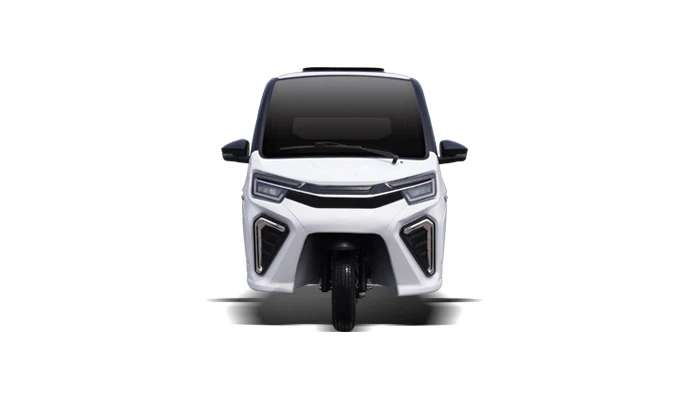
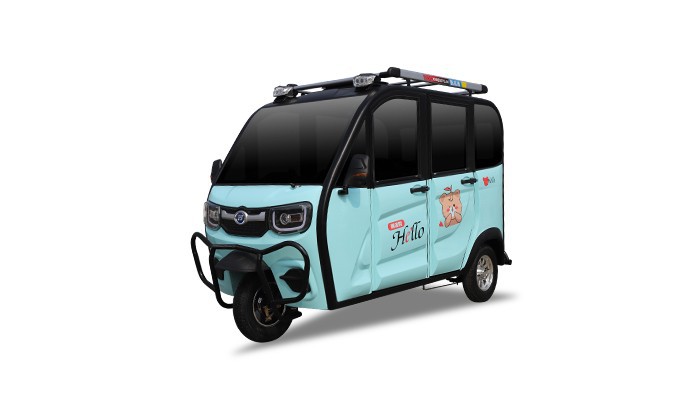
In addition, the use of more efficient motors and power management systems can also improve the energy efficiency of low speed freight tricycles, allowing them to travel longer distances on a single charge. For example, some manufacturers are researching and developing Oil Electric Tricycle, which combines the advantages of electric and oil - powered systems, providing more options for long - distance transportation.
Expansion of Charging Infrastructure
To support the long - distance transportation of low speed freight tricycles, it is necessary to expand the charging infrastructure. Government and private enterprises can work together to build more charging stations along major transportation routes and in rural areas. This will not only facilitate the long - distance operation of low speed freight tricycles but also promote the development of the electric vehicle industry as a whole.
Conclusion
In conclusion, low speed freight tricycles have both advantages and limitations in long - distance transportation. Their cost - effectiveness, maneuverability, and environmental friendliness make them suitable for certain long - distance transportation scenarios, especially in combination with other transportation modes. However, their limited load capacity, low speed, and battery range issues need to be addressed through technological improvements and infrastructure expansion.
As a supplier of Low Speed Freight Tricycle, we are committed to providing high - quality products and exploring solutions to enhance their performance in long - distance transportation. If you are interested in our low speed freight tricycles or have any questions about long - distance transportation solutions, please feel free to contact us for further discussion and procurement negotiation.
References
- "Logistics and Transportation Analysis" by John Smith
- "The Future of Electric Vehicles in Freight Transportation" by Jane Doe
- Industry reports on electric tricycles from leading market research firms