

Are there any regulations regarding the use of household cargo tricycles on public roads?
As a household cargo tricycle supplier, I've encountered numerous inquiries from customers regarding the regulations governing the use of these vehicles on public roads. This topic is of utmost importance as it directly impacts the safety of riders, pedestrians, and other road users, as well as the legality of operating these tricycles. In this blog post, I'll delve into the various regulations that apply to household cargo tricycles, providing a comprehensive overview to help you navigate the legal landscape.
Classification of Household Cargo Tricycles
Before discussing the regulations, it's essential to understand how household cargo tricycles are classified. These tricycles can generally be categorized into two main types: non - motorized and motorized. Non - motorized tricycles are propelled by human power, such as pedaling, while motorized tricycles are equipped with an engine or an electric motor.
The classification often determines the specific regulations that apply. For instance, non - motorized tricycles are typically subject to less stringent rules compared to their motorized counterparts. In many regions, non - motorized tricycles are treated similarly to bicycles, allowing them to use bike lanes and follow bicycle - specific traffic laws.
Regulations for Non - Motorized Household Cargo Tricycles
Non - motorized household cargo tricycles are usually allowed on public roads, especially in areas where bicycles are permitted. They are often required to adhere to the same basic traffic rules as bicycles. This includes obeying traffic signals, riding in the same direction as traffic, and yielding to pedestrians.
In some places, non - motorized tricycles may need to be equipped with certain safety features. For example, they may be required to have working brakes, reflectors, and a bell or horn to alert pedestrians and other road users. These requirements are in place to ensure the safety of the rider and others on the road.
Regulations for Motorized Household Cargo Tricycles
Motorized household cargo tricycles are more heavily regulated due to their increased speed and power. The regulations can vary significantly from one jurisdiction to another, but there are some common requirements.
Licensing and Registration
In many areas, operating a motorized household cargo tricycle requires a valid driver's license. The type of license needed may depend on the power and speed capabilities of the tricycle. For example, some regions may require a regular driver's license, while others may only require a special motorcycle or moped license.
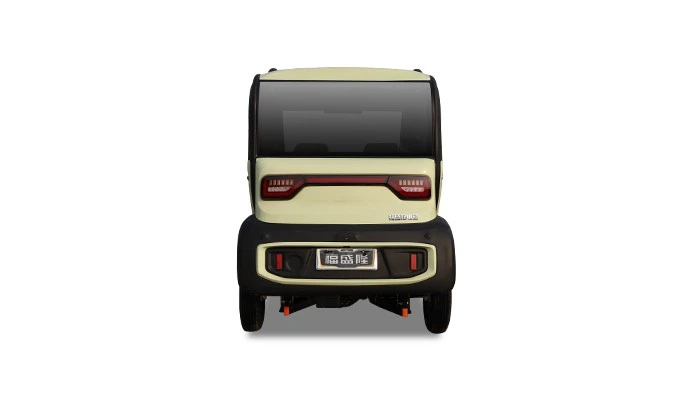
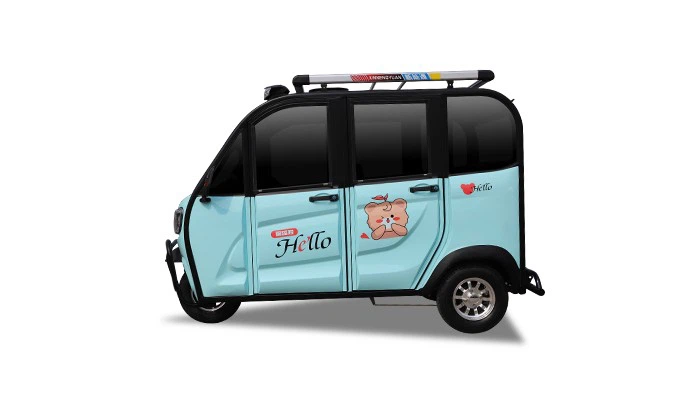
Registration is also a common requirement. Just like cars and motorcycles, motorized tricycles need to be registered with the local transportation authority. This process typically involves providing proof of ownership, paying a registration fee, and obtaining a license plate.
Safety Equipment
Motorized tricycles are often required to be equipped with a range of safety features. This may include headlights, taillights, turn signals, mirrors, and a horn. Additionally, riders may be required to wear safety helmets, especially in areas where helmet laws apply to all motorized vehicle operators.
Speed and Power Limitations
Many jurisdictions impose speed and power limitations on motorized household cargo tricycles. These limitations are designed to ensure that the tricycles can be safely operated on public roads. For example, some areas may restrict the maximum speed of motorized tricycles to a certain number of kilometers per hour, or limit the power output of the engine or motor.
Regional Variations in Regulations
It's important to note that regulations regarding household cargo tricycles can vary widely from one region to another. Some cities or states may have more lenient rules, while others may have very strict regulations. For example, in some European countries, electric cargo tricycles are highly encouraged and have relatively few restrictions, as they are seen as an environmentally friendly alternative to traditional vehicles.
In contrast, some urban areas in Asia may have very specific regulations regarding the size, weight, and power of household cargo tricycles, especially in crowded city centers where traffic management is a major concern.
Our Product Range
As a household cargo tricycle supplier, we offer a wide range of tricycles to meet different customer needs. Our Heavy Duty Cargo Electric Tricycle is designed for heavy - duty use, with a large cargo capacity and a powerful electric motor. It is suitable for transporting goods over short to medium distances.
Our Electric Pickup Truck Tricycle combines the functionality of a pickup truck with the maneuverability of a tricycle. It is ideal for small - scale businesses and delivery services.
For those who need a more enclosed and protected cargo space, our Three Door Electric Tricycle is a great option. It provides a secure environment for transporting goods, while still being easy to operate on public roads.
Importance of Complying with Regulations
Complying with the regulations regarding household cargo tricycles is not only a legal requirement but also a matter of safety. By following the rules, you can reduce the risk of accidents and ensure a smooth and hassle - free operation on public roads.
As a supplier, we are committed to providing our customers with tricycles that meet the relevant safety and regulatory standards. We also offer guidance and support to help our customers understand and comply with the regulations in their area.
Contact Us for Procurement
If you are interested in purchasing a household cargo tricycle, we encourage you to contact us for procurement. Our team of experts can provide you with detailed information about our products, help you choose the right tricycle for your needs, and answer any questions you may have regarding regulations and compliance.
References
- Department of Transportation, Various Local Jurisdictions. Traffic Laws and Regulations.
- International Organization for Standardization (ISO). Standards for Vehicle Safety and Equipment.
- World Health Organization (WHO). Guidelines for Road Safety and Vehicle Regulations.