

Do pickup electric vehicles require less maintenance?
Do pickup electric vehicles require less maintenance?
As a supplier of Pickup Electric Vehicles, I've often been asked whether these vehicles require less maintenance compared to their traditional counterparts. In this blog post, I'll delve into the factors that influence the maintenance needs of pickup electric vehicles and provide a comprehensive analysis.
1. Components and Their Maintenance
Motor and Powertrain
One of the most significant differences between pickup electric vehicles and gasoline - powered pickups lies in their powertrains. Traditional gasoline engines have numerous moving parts, such as pistons, crankshafts, camshafts, and valves. These parts are subject to wear and tear due to high - speed movement, friction, and heat. Regular maintenance tasks for gasoline engines include oil changes, spark plug replacements, and timing belt inspections.
In contrast, electric motors in [Pickup Electric Vehicles]( /electric - tricycle/electric - freight - tricycle/pickup - electric - vehicle.html) have far fewer moving parts. They typically consist of a stator, a rotor, and bearings. The simplicity of the electric motor design means there is less opportunity for mechanical failure. There's no need for oil changes, and the maintenance requirements mainly involve checking the motor's electrical connections and ensuring proper cooling. This results in reduced maintenance frequency and lower long - term maintenance costs.
Battery
The battery is the heart of an electric vehicle, and its maintenance is crucial. Lithium - ion batteries, which are commonly used in pickup electric vehicles, do require some attention. However, modern battery management systems (BMS) have made the maintenance process more straightforward.
The BMS monitors the battery's state of charge, temperature, and voltage. It helps prevent overcharging and over - discharging, which can significantly extend the battery's lifespan. While battery replacement is a major cost in the long run, proper charging habits and regular BMS checks can delay this need. For example, avoiding extreme temperatures and not letting the battery drain completely can improve its durability. In comparison, the fuel system of a gasoline - powered pickup also requires maintenance, such as fuel filter replacements and injector cleanings.
Braking System
Both electric and gasoline pickups have braking systems, but the way they operate can affect maintenance. Electric vehicles often use regenerative braking, which converts the vehicle's kinetic energy back into electrical energy when braking. This reduces the wear on the traditional friction brakes because the regenerative braking system does a significant portion of the braking work, especially during normal driving conditions.
As a result, the brake pads and rotors in pickup electric vehicles tend to last longer than those in gasoline - powered pickups. Less frequent brake pad and rotor replacements mean lower maintenance costs and less downtime for the vehicle.
2. Electrical Systems
Pickup electric vehicles rely heavily on electrical systems for various functions, including power steering, climate control, and entertainment. While these systems are complex, they are designed to be reliable. The wiring harnesses and electrical components are engineered to withstand the rigors of daily use.
However, like any electrical system, they can experience issues. Regular inspections of the electrical connections, fuses, and relays are recommended. But compared to the complex fuel, exhaust, and emission control systems in gasoline - powered pickups, the electrical systems in electric pickups are generally more straightforward to diagnose and repair. For instance, there are no carburetors to clean or exhaust gas recirculation (EGR) valves to service.
3. Suspension and Tires
The suspension and tire maintenance requirements for pickup electric vehicles are similar to those of traditional pickups. The weight distribution of electric pickups may be different due to the heavy battery pack, which could potentially affect tire wear. However, as long as the tires are properly inflated and rotated at the recommended intervals, the tire lifespan should be comparable.
The suspension system also needs regular checks for worn bushings, shocks, and struts. Since electric pickups may have a different center of gravity, it's important to ensure that the suspension is properly calibrated to handle the vehicle's unique characteristics. But overall, these maintenance tasks are not specific to electric vehicles and are common across all types of pickups.
4. Environmental Factors
Environmental factors can also influence the maintenance needs of pickup electric vehicles. For example, in areas with high humidity or saltwater exposure, the electrical components may be more prone to corrosion. Regular cleaning and inspection of exposed electrical connections can help prevent corrosion - related issues.
In cold climates, the battery's performance may be affected. However, most modern pickup electric vehicles are equipped with battery heating systems to maintain optimal operating temperatures. This helps reduce the impact of cold weather on battery life and performance, minimizing the need for additional maintenance related to cold - weather battery degradation.
5. Total Cost of Ownership
When considering the maintenance requirements of pickup electric vehicles, it's important to look at the total cost of ownership. While the upfront cost of an electric pickup may be higher than a gasoline - powered one, the lower maintenance costs over the vehicle's lifespan can offset this initial investment.
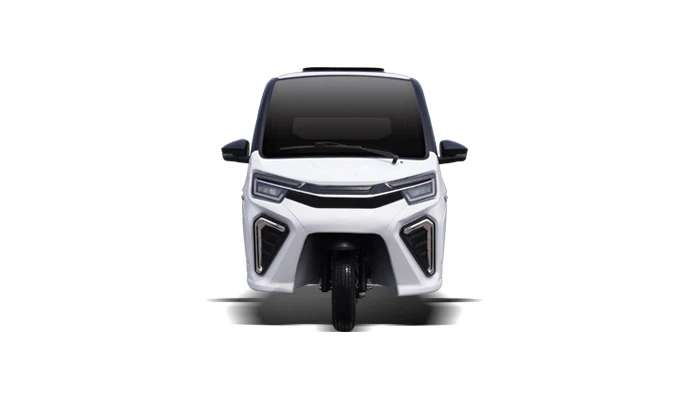
The reduced frequency of maintenance tasks, such as oil changes, spark plug replacements, and brake pad changes, means less money spent on parts and labor. Additionally, electric vehicles often have longer service intervals, which translates to less downtime for the vehicle. This is especially important for businesses that rely on their pickups for daily operations.
Conclusion
In conclusion, pickup electric vehicles generally require less maintenance compared to traditional gasoline - powered pickups. The simplicity of their powertrains, the benefits of regenerative braking, and the relative ease of maintaining electrical systems all contribute to lower maintenance needs.
However, it's important to note that proper maintenance is still essential to ensure the longevity and reliability of these vehicles. Regular inspections of the battery, electrical systems, suspension, and tires are necessary to keep the pickup electric vehicle in optimal condition.
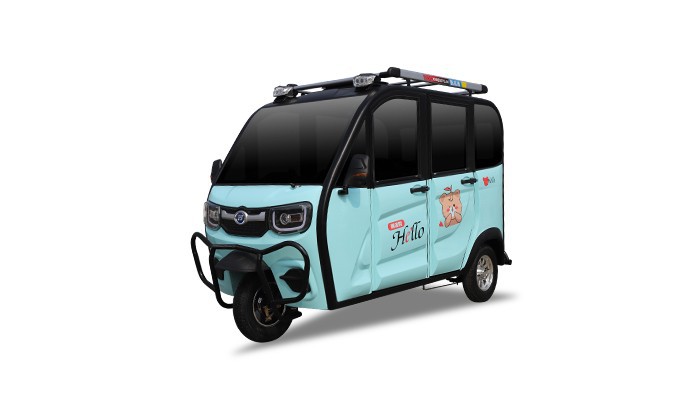
If you're in the market for a [Pickup Electric Vehicle]( /electric - tricycle/electric - freight - tricycle/pickup - electric - vehicle.html) or a [Pickup Electric Tricycle]( /electric - tricycle/electric - freight - tricycle/pickup - electric - tricycle.html) or even a [Low Speed Freight Tricycle]( /electric - tricycle/electric - freight - tricycle/low - speed - freight - tricycle.html), we are here to provide you with high - quality products and professional advice. Contact us for more information and to start a procurement negotiation. We are committed to helping you find the perfect electric vehicle solution for your needs.
References
- SAE International. (20XX). Electric Vehicle Technology Handbook.
- National Renewable Energy Laboratory. (20XX). Maintenance and Reliability of Electric Vehicles.
- Electric Power Research Institute. (20XX). The Future of Electric Transportation: Insights into Electric Vehicle Maintenance.