

How do you check the air pressure in the tires of a heavy duty cargo tricycle?
Hey there! I'm a supplier of Heavy Duty Cargo Tricycles, and today I'm gonna share with you how to check the air pressure in the tires of these bad boys. It might seem like a small thing, but getting the right tire pressure is super important for the performance, safety, and lifespan of your tricycle.
First off, why does tire pressure matter so much? Well, if your tires are under - inflated, it can lead to increased rolling resistance. That means your tricycle has to work harder to move, which uses up more energy. It can also cause uneven tire wear, making you replace your tires sooner than you should. On the flip side, over - inflated tires are more prone to punctures and can make your ride a lot bumpier. They also reduce the contact area between the tire and the road, which affects traction and handling.
Now, let's get into the nitty - gritty of how to check the tire pressure.
What You'll Need
Before you start, you'll need a few things. The most important one is a tire pressure gauge. You can find these at any auto parts store, and they're usually pretty affordable. There are different types of gauges, like digital and analog. Digital gauges are easier to read, but analog ones are reliable and can work just as well.
You might also want to have a small flashlight if you're checking the tires in low - light conditions. And it's a good idea to have a pen and paper handy to write down the pressure readings.
Find the Recommended Pressure
Every Heavy Duty Cargo Tricycle has a recommended tire pressure, which you can usually find in the owner's manual. If you don't have the manual, you can also look for a sticker on the tricycle itself. It's often located on the frame near the driver's seat or on the inside of the door. This sticker will tell you the correct tire pressure for both the front and rear tires.
Check the Tires When They're Cold
Tire pressure changes with temperature. When you ride your tricycle, the friction between the tires and the road heats up the air inside the tires, causing the pressure to increase. So, it's best to check the tire pressure when the tires are cold, which means the tricycle hasn't been driven for at least a few hours.
Remove the Valve Cap
Once you've got your gauge and you know the recommended pressure, it's time to start checking. First, remove the valve cap from the tire. These caps are there to keep dirt and debris out of the valve stem, so make sure you don't lose them.
Use the Tire Pressure Gauge
Press the tire pressure gauge firmly onto the valve stem. You'll hear a little hiss as the gauge makes contact, and then it will give you a reading. Make sure the gauge is straight and fully seated on the valve stem to get an accurate reading.
If you're using a digital gauge, it will display the pressure right on the screen. For an analog gauge, you'll have to read the needle on the dial. Take your time and make sure you're reading it correctly.
Compare the Reading
After you get the reading, compare it to the recommended pressure. If the reading is too low, you'll need to add air. If it's too high, you'll need to let some air out.
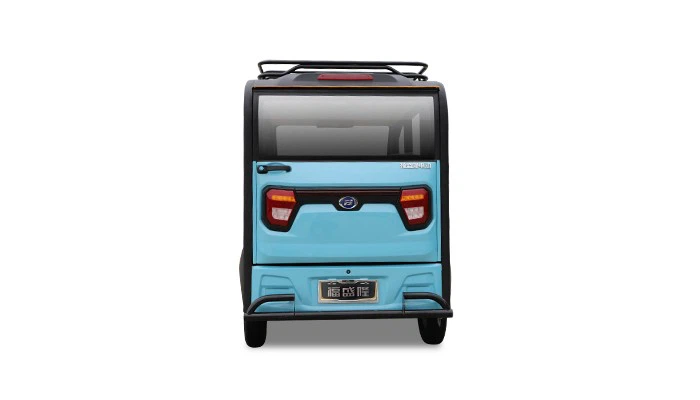

Adding or Releasing Air
To add air, you can use an air compressor. You can find these at gas stations or some auto parts stores. Just attach the compressor hose to the valve stem and add air in short bursts. Keep checking the pressure with your gauge as you go until you reach the recommended level.
If the pressure is too high, you can use the tip of the gauge or a small tool to press down on the valve core in the center of the valve stem. This will release some air. Again, check the pressure frequently to make sure you don't let out too much.
Replace the Valve Cap
Once you've got the correct tire pressure, put the valve cap back on the valve stem. This helps protect the valve and keeps the air inside the tire.
Check All the Tires
Don't forget to check all the tires on your Heavy Duty Cargo Tricycle. That includes the front tire and the two rear tires. Each tire might have a different pressure requirement, so make sure you check and adjust them all.
Regular Checks
It's a good idea to check your tire pressure at least once a month. You should also check it before long trips or if you notice any changes in the way your tricycle rides, like a bumpy ride or poor handling.
Now, as a Heavy Duty Cargo Tricycle supplier, I know that there are different types of tricycles out there. We also offer Light Electric Cargo Tricycle, Oil Electric Tricycle, and Three Wheeled Freight Electric Vehicles. The process of checking the tire pressure is similar for all of them, but make sure you always follow the recommended pressure for the specific model you have.
If you're in the market for a Heavy Duty Cargo Tricycle or any of our other tricycle models, we'd love to talk to you. Whether you're a small business owner looking to make local deliveries or an individual with a specific hauling need, our tricycles are built to last and perform. Contact us to start a conversation about your requirements and see how we can help you find the perfect tricycle for your needs.
References
- "Tire Pressure Basics." AutoZone.
- Owner's manuals of Heavy Duty Cargo Tricycles.