

How does the gearbox (if any) of an electric freight tricycle work?
As a supplier of Electric Freight Tricycles, I've witnessed the growing demand for these eco - friendly and efficient vehicles in the freight industry. One common question that often comes up is about the gearbox of an electric freight tricycle. In this blog, I'll delve into how the gearbox, if present, works in an electric freight tricycle.
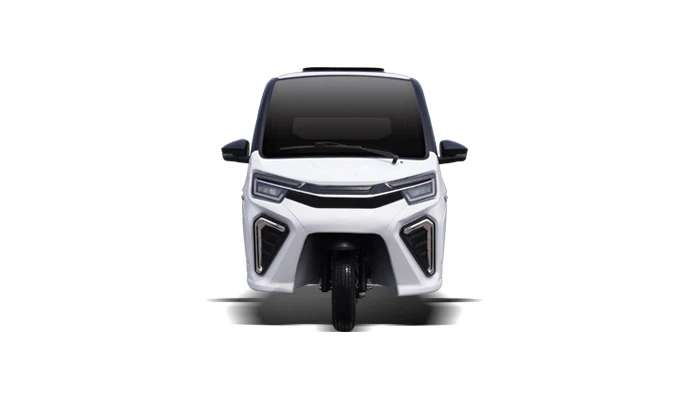

Understanding the Role of a Gearbox in Electric Freight Tricycles
Not all electric freight tricycles are equipped with a gearbox. Some are direct - drive, which means the motor is directly connected to the wheels, providing a simple and efficient power transfer. However, for tricycles with a gearbox, it plays a crucial role in optimizing the performance of the vehicle.
The primary function of a gearbox is to adjust the speed and torque of the motor to suit different operating conditions. Torque is the rotational force that allows the tricycle to start moving and carry heavy loads, while speed is the rate at which the tricycle travels. By changing gears, the gearbox can increase the torque at low speeds for better acceleration and climbing ability, or increase the speed at higher gears when the tricycle is moving on flat terrain with a lighter load.
Types of Gearboxes in Electric Freight Tricycles
There are mainly two types of gearboxes commonly used in electric freight tricycles: manual and automatic.
Manual Gearboxes
Manual gearboxes require the rider to manually shift gears using a gear lever. This type of gearbox gives the rider more control over the vehicle's performance. When starting from a standstill or climbing a steep hill, the rider can shift to a lower gear to increase the torque. For example, when carrying a heavy load up a slope, a lower gear will provide the necessary power to overcome the gravitational force. On the other hand, when the tricycle is moving on a flat road with a relatively light load, the rider can shift to a higher gear to achieve a higher speed with less power consumption.
However, manual gearboxes also have some drawbacks. They require more skill and attention from the rider, especially in stop - and - go traffic situations. Incorrect gear shifting can lead to reduced efficiency and even damage to the gearbox over time.
Automatic Gearboxes
Automatic gearboxes, as the name suggests, shift gears automatically based on the vehicle's speed, load, and other factors. They use sensors and a control unit to determine the optimal gear ratio. This type of gearbox is more user - friendly, especially for riders who are not familiar with manual gear shifting. It provides a smoother driving experience as the gear changes are seamless, without the need for the rider to worry about shifting at the right time.
Automatic gearboxes are also more suitable for heavy - traffic areas where frequent stops and starts are common. They can adapt quickly to different driving conditions, ensuring that the tricycle always operates at an efficient gear ratio. However, automatic gearboxes are generally more complex and expensive to manufacture and maintain compared to manual gearboxes.
How the Gearbox Works in an Electric Freight Tricycle
Let's take a closer look at the internal workings of a gearbox in an electric freight tricycle.
Gear Ratios
The heart of the gearbox is the set of gears with different sizes. Each gear has a specific number of teeth, and the ratio of the number of teeth between two meshing gears determines the gear ratio. A lower gear ratio (e.g., a small - diameter gear driving a large - diameter gear) results in a higher torque output but a lower speed, while a higher gear ratio (a large - diameter gear driving a small - diameter gear) gives a higher speed but a lower torque.
For example, in a manual gearbox, when the rider shifts to the first gear, the gearbox engages a set of gears with a low gear ratio. This allows the motor to transfer more torque to the wheels, enabling the tricycle to start moving smoothly, even with a heavy load. As the tricycle gains speed and the rider shifts to a higher gear, the gearbox switches to a set of gears with a higher gear ratio, increasing the speed of the tricycle.
Clutch System (in Manual Gearboxes)
In a manual gearbox, a clutch system is used to engage and disengage the engine's power from the gearbox. When the rider presses the clutch pedal, the clutch disengages the engine from the gearbox, allowing the rider to shift gears without damaging the gears. When the rider releases the clutch pedal, the clutch re - engages the engine with the gearbox, transferring the power from the motor to the wheels.
Hydraulic or Electronic Control (in Automatic Gearboxes)
Automatic gearboxes use either hydraulic or electronic control systems to shift gears. In a hydraulic system, hydraulic pressure is used to engage and disengage the gears. The control unit sends signals to the hydraulic valves, which then direct the hydraulic fluid to the appropriate clutches or brakes to change the gear ratio.
In an electronic control system, sensors monitor the vehicle's speed, engine load, and other parameters. The control unit analyzes this data and sends electrical signals to the actuators to shift the gears. Electronic control systems are more precise and can adapt more quickly to different driving conditions compared to hydraulic systems.
Benefits of Having a Gearbox in an Electric Freight Tricycle
Having a gearbox in an electric freight tricycle offers several benefits:
Improved Performance
As mentioned earlier, a gearbox allows the tricycle to optimize its torque and speed according to different operating conditions. This results in better acceleration, climbing ability, and overall performance, especially when carrying heavy loads.
Energy Efficiency
By using the appropriate gear ratio, the gearbox can ensure that the motor operates at its most efficient speed. This reduces energy consumption and extends the battery life of the electric freight tricycle. For example, when the tricycle is moving on a flat road, a higher gear ratio can reduce the motor's power output while maintaining a reasonable speed, saving energy.
Versatility
A gearbox - equipped electric freight tricycle can be used in a wider range of applications. It can handle different terrains, from steep hills to flat roads, and different loads, from light parcels to heavy goods. This makes it a more versatile option for freight transportation.
Our Electric Freight Tricycle Offerings
At our company, we offer a variety of electric freight tricycles to meet different customer needs. Whether you need a Heavy Duty Cargo Tricycle for carrying large and heavy loads, a Pickup Electric Tricycle for more flexible cargo handling, or a Low Speed Freight Tricycle for short - distance and slow - moving operations, we have the right solution for you.
Contact Us for Procurement
If you're interested in our electric freight tricycles and want to learn more about our products, or if you have any questions about the gearbox or other aspects of the tricycles, we encourage you to contact us for procurement and further discussions. Our team of experts is ready to assist you in finding the best electric freight tricycle for your business.
References
- Automotive Engineering Handbook, Society of Automotive Engineers
- Electric Vehicle Technology, McGraw - Hill Education