

What are the differences between electric and hybrid new energy small buses?
As a supplier of New Energy Small Buses, I've witnessed firsthand the rapid evolution of the automotive industry, especially in the realm of new energy vehicles. Electric and hybrid small buses are two prominent players in this space, each with its own unique characteristics. In this blog, I'll delve into the differences between these two types of new energy small buses.
Power Source and Propulsion
The most fundamental difference between electric and hybrid small buses lies in their power sources and propulsion systems.
Electric Small Buses
Electric small buses rely solely on electricity to power their motors. They are equipped with large - capacity batteries, usually lithium - ion batteries, which store electrical energy. This stored energy is then used to drive an electric motor, which in turn propels the bus. The simplicity of the electric drivetrain means fewer moving parts compared to traditional internal combustion engines. This results in lower maintenance requirements as there are no oil changes, spark plug replacements, or complex transmission systems to worry about.
For example, an electric small bus can operate smoothly with just a single - speed transmission or even no transmission at all in some cases. The energy efficiency of electric buses is also relatively high, as electric motors can convert a large percentage of the electrical energy from the battery into mechanical energy for propulsion.
You can learn more about related electric vehicles on our Intelligent Electric Four - Wheeler page.
Hybrid Small Buses
Hybrid small buses combine two power sources: an internal combustion engine (usually gasoline or diesel) and an electric motor. There are two main types of hybrid systems: parallel hybrids and series hybrids.
In a parallel hybrid system, both the internal combustion engine and the electric motor can directly drive the wheels. The engine and the motor can work together or independently, depending on the driving conditions. For instance, during low - speed city driving, the electric motor may be used to power the bus, reducing fuel consumption and emissions. When more power is needed, such as during acceleration or climbing hills, the internal combustion engine kicks in.
In a series hybrid system, the internal combustion engine acts as a generator to charge the battery, and the electric motor is the sole source of power for driving the wheels. This setup allows the engine to operate at its most efficient speed and load, improving overall fuel economy.
Range and Refueling/Recharging
Range is a crucial factor for any vehicle, and it differs significantly between electric and hybrid small buses.
Electric Small Buses
The range of an electric small bus is limited by the capacity of its battery. Although battery technology has advanced significantly in recent years, the range of electric buses is still generally shorter compared to hybrid buses. On average, an electric small bus may have a range of 100 - 200 miles on a single charge, depending on factors such as the battery size, driving conditions, and the use of auxiliary systems like heating and air - conditioning.
Recharging an electric bus takes longer than refueling a hybrid bus. A fast - charging station can charge an electric bus to 80% in about 1 - 2 hours, while a standard charging station may take 6 - 8 hours or even longer to fully charge the battery. This can be a challenge for operators who need to keep their buses in service for long periods throughout the day.
If you are interested in low - speed electric vehicles, you can visit our Low - Speed Four - Wheel Electric Vehicle page.
Hybrid Small Buses
Hybrid small buses have a longer range compared to electric buses because they can use both fuel and electricity. The internal combustion engine provides an additional power source, allowing the bus to continue operating even when the battery is depleted. The range of a hybrid bus can be similar to that of a traditional diesel or gasoline bus, typically ranging from 300 - 500 miles or more, depending on the fuel tank capacity and the efficiency of the hybrid system.
Refueling a hybrid bus is similar to refueling a traditional vehicle. It only takes a few minutes to fill up the fuel tank at a gas station. Additionally, the battery in a hybrid bus can be recharged through regenerative braking and the operation of the internal combustion engine, so there is no need to rely solely on external charging stations.
Emissions
Emissions are a major concern in the transportation industry, and both electric and hybrid small buses offer significant advantages over traditional diesel or gasoline buses.
Electric Small Buses
Electric small buses produce zero tailpipe emissions. Since they run on electricity, there are no pollutants such as carbon monoxide, nitrogen oxides, particulate matter, or greenhouse gases emitted during operation. This makes them an ideal choice for urban areas where air quality is a major issue.
However, it's important to note that the production of electricity used to charge the buses may still generate emissions, depending on the energy sources of the power grid. If the electricity comes from renewable sources such as solar, wind, or hydro, the overall carbon footprint of electric buses can be extremely low.
Hybrid Small Buses
Hybrid small buses emit fewer pollutants compared to traditional vehicles because they can operate on electric power for part of the time. During electric - only operation, there are no tailpipe emissions. Even when the internal combustion engine is in use, the hybrid system can optimize its operation to reduce fuel consumption and emissions.
For example, in a parallel hybrid, the engine can be shut off when the bus is idling or decelerating, further reducing emissions. Overall, hybrid buses can achieve a significant reduction in carbon dioxide emissions and other pollutants compared to non - hybrid vehicles.
Cost
Cost is an important consideration for both bus operators and manufacturers.
Electric Small Buses
The upfront cost of electric small buses is generally higher than that of hybrid buses. The high cost is mainly due to the expensive battery technology. Batteries account for a large portion of the total cost of an electric bus, and the cost of battery production is still relatively high, although it has been decreasing in recent years.
However, the operating cost of electric buses is lower. Electricity is generally cheaper than gasoline or diesel, and the maintenance cost is also reduced due to the simpler drivetrain. Over the long term, the total cost of ownership of an electric bus may be comparable to or even lower than that of a hybrid bus.
Hybrid Small Buses
Hybrid small buses have a lower upfront cost compared to electric buses because they do not require such large and expensive batteries. The cost of the internal combustion engine and the hybrid system is relatively more affordable.
The operating cost of hybrid buses is higher than that of electric buses because they still rely on fuel. However, the fuel savings achieved through the hybrid system can offset some of the additional cost compared to traditional non - hybrid buses.
Market Demand and Applications
The market demand and applications of electric and hybrid small buses also vary.
Electric Small Buses
Electric small buses are well - suited for urban transit applications where the range requirements are relatively short and there is a need to reduce emissions. They are commonly used in city centers, universities, airports, and other areas with limited - range routes. The quiet operation of electric buses also makes them more suitable for areas where noise pollution is a concern.
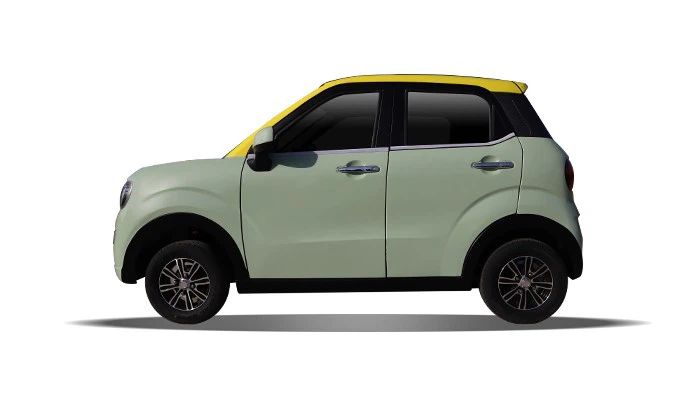
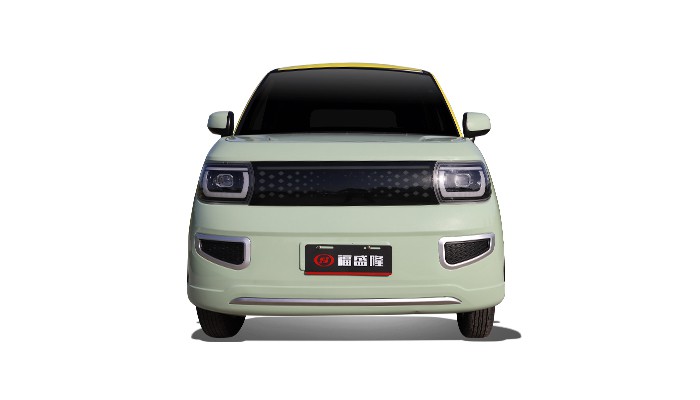
The market demand for electric small buses is growing rapidly, especially in regions with strict environmental regulations and a push towards sustainable transportation.
Hybrid Small Buses
Hybrid small buses are more versatile in terms of range and can be used in a wider range of applications. They are suitable for both urban and suburban routes, as well as long - distance shuttle services. Hybrid buses can also be a good option for operators who are not ready to fully transition to electric buses but still want to reduce their environmental impact.
If you are interested in our New Energy Small Buses, we welcome you to contact us for procurement and further discussions. Whether you are looking for an electric or hybrid small bus, we have a variety of options to meet your needs.
Conclusion
In conclusion, electric and hybrid small buses each have their own advantages and disadvantages. Electric buses offer zero emissions, low operating costs, and quiet operation, but they have a limited range and a high upfront cost. Hybrid buses, on the other hand, have a longer range, a lower upfront cost, and can use both fuel and electricity, but they still produce some emissions.
As a supplier of New Energy Small Buses, we understand the unique requirements of different customers. We are committed to providing high - quality electric and hybrid small buses that meet the diverse needs of the market. If you are interested in purchasing new energy small buses, please feel free to reach out to us for more information and to start the procurement process.
References
- "Fundamentals of Electric Vehicles" by J. B. G. de Brito and M. A. S. S. Costa
- "Hybrid Electric Vehicles: Principles and Applications with Practical Perspectives" by Ying - Ming Lai and Huei Peng