

What are the legal requirements for using an electric tricycle with cargo on public roads?
As a supplier of Electric Tricycle with Cargo, I often receive inquiries from customers about the legal requirements for using these vehicles on public roads. Understanding these regulations is crucial not only for the safety of the riders and other road users but also for ensuring compliance with the law. In this blog post, I will delve into the various legal aspects that govern the use of electric tricycles with cargo on public roads.
Classification of Electric Tricycles with Cargo
Before we discuss the legal requirements, it's important to understand how electric tricycles with cargo are classified. In many regions, these vehicles fall into different categories based on their power, speed, and design. For example, some may be classified as bicycles, while others may be considered motor vehicles.
The classification can have a significant impact on the legal requirements. For instance, if an electric tricycle with cargo is classified as a bicycle, it may be subject to less stringent regulations compared to a motor vehicle. On the other hand, if it is classified as a motor vehicle, it may require registration, insurance, and a driver's license.
Power and Speed Limitations
One of the key factors in determining the legal status of an electric tricycle with cargo is its power output and maximum speed. In most countries, there are limits on the power of electric motors used in these vehicles. For example, in the European Union, electric bicycles (which may include some electric tricycles) are generally limited to a maximum power output of 250 watts and a maximum assisted speed of 25 km/h.
Exceeding these limits may result in the vehicle being classified as a motor vehicle, which would require additional legal requirements such as registration, insurance, and a driver's license. As a supplier, we ensure that our Electric Tricycle with Cargo models comply with the relevant power and speed regulations in different markets.
Safety Equipment
Safety is of utmost importance when using any vehicle on public roads, and electric tricycles with cargo are no exception. Depending on the classification of the vehicle, there may be specific safety equipment requirements.
For example, if the electric tricycle with cargo is classified as a bicycle, it may be required to have basic safety features such as brakes, lights (front and rear), reflectors, and a bell. On the other hand, if it is classified as a motor vehicle, it may need more advanced safety equipment such as a helmet, seatbelt, and airbags.
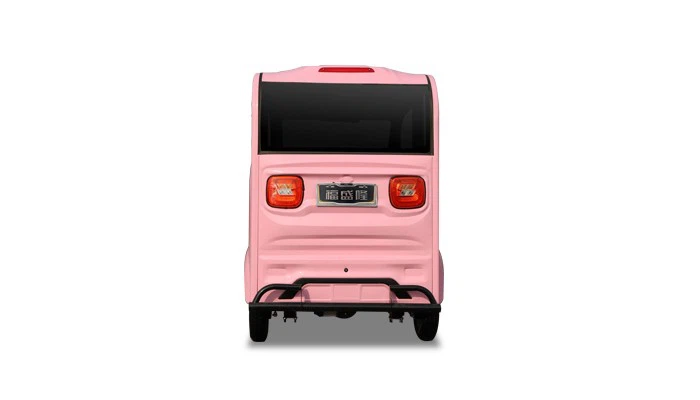
Our Light Electric Cargo Tricycle and Mini Freight Tricycle models are designed with safety in mind. They are equipped with high-quality brakes, bright lights, and reflectors to ensure visibility and safety on the road.

Registration and Licensing
In some regions, electric tricycles with cargo may need to be registered with the relevant authorities. Registration typically involves providing information about the vehicle, such as its make, model, and serial number, and paying a registration fee.
Additionally, depending on the classification of the vehicle, a driver's license may be required. For example, if the electric tricycle with cargo is classified as a motor vehicle, the rider may need to have a valid driver's license for that type of vehicle.
It's important for customers to check the registration and licensing requirements in their specific area before purchasing an electric tricycle with cargo. As a supplier, we can provide information and guidance on these requirements to help our customers make informed decisions.
Insurance
Insurance is another important aspect of using an electric tricycle with cargo on public roads. While some regions may not require insurance for electric bicycles, it is often a good idea to have some form of coverage to protect against accidents and liability.
If the electric tricycle with cargo is classified as a motor vehicle, insurance is typically mandatory. Insurance can provide coverage for damage to the vehicle, injury to the rider or other road users, and liability for any damage or injury caused by the vehicle.
We recommend that our customers consider purchasing insurance for their electric tricycles with cargo to ensure they are protected in case of an accident.
Cargo Capacity and Loading Regulations
When using an electric tricycle with cargo, it's important to comply with the cargo capacity and loading regulations. Overloading the vehicle can not only affect its performance and safety but also violate the law.
Each electric tricycle with cargo has a specified maximum cargo capacity, which is determined by its design and construction. It's important for riders to stay within this limit to ensure the safe operation of the vehicle.
In addition to the cargo capacity, there may be regulations regarding how the cargo is loaded and secured. For example, the cargo should be evenly distributed and properly secured to prevent it from shifting or falling off during transit.
Traffic Rules and Regulations
Finally, electric tricycle with cargo riders are subject to the same traffic rules and regulations as other road users. This includes obeying traffic signals, signs, and speed limits, as well as using proper hand signals when turning or stopping.
Riders should also be aware of their rights and responsibilities on the road and respect the rights of other road users. By following the traffic rules, riders can help ensure their safety and the safety of others.
Conclusion
In conclusion, using an electric tricycle with cargo on public roads is subject to a variety of legal requirements, including classification, power and speed limitations, safety equipment, registration, licensing, insurance, cargo capacity, and traffic rules. As a supplier of Electric Tricycle with Cargo, we are committed to providing our customers with high-quality products that comply with the relevant legal regulations in different markets.
If you are interested in purchasing an electric tricycle with cargo, we encourage you to contact us to discuss your specific needs and requirements. Our team of experts can provide you with detailed information and guidance on the legal requirements in your area and help you choose the right vehicle for your business or personal use.
References
- European Union regulations on electric bicycles.
- National traffic laws and regulations in various countries.
- Manufacturer's specifications for electric tricycles with cargo.