

What are the maintenance costs of an electric tricycle with cargo?
When it comes to the world of commercial transportation, electric tricycles with cargo have emerged as a popular and practical solution. As a supplier of these versatile vehicles, I've had numerous inquiries about their maintenance costs. In this blog post, I'll break down the various factors that contribute to the maintenance expenses of an electric tricycle with cargo, providing you with a comprehensive understanding to help you make informed decisions.
Battery Maintenance
The battery is the heart of an electric tricycle with cargo, and its maintenance is crucial for the overall performance and longevity of the vehicle. Lithium-ion batteries are commonly used in modern electric tricycles due to their high energy density, long lifespan, and relatively low self-discharge rate. However, they do require proper care to ensure optimal performance.
One of the primary maintenance costs associated with the battery is replacement. Depending on the usage and charging habits, a lithium-ion battery typically lasts between 2 to 5 years. The cost of a new battery can vary significantly based on its capacity and quality, ranging from a few hundred to over a thousand dollars. To extend the battery's lifespan and reduce replacement costs, it's essential to follow these best practices:
- Proper Charging: Avoid overcharging or deep discharging the battery. Most electric tricycles come with a built-in battery management system (BMS) that helps prevent overcharging, but it's still a good idea to unplug the charger once the battery is fully charged.
- Temperature Control: Extreme temperatures can have a negative impact on battery performance and lifespan. Try to store and charge the electric tricycle in a moderate temperature environment, ideally between 20°C to 25°C (68°F to 77°F).
- Regular Use: Lithium-ion batteries perform best when they are regularly used. If the electric tricycle is not going to be used for an extended period, it's recommended to charge the battery to around 50% and store it in a cool, dry place.
Motor and Controller Maintenance
The motor and controller are responsible for converting electrical energy into mechanical power, allowing the electric tricycle to move. These components are generally reliable, but they can still experience wear and tear over time, especially if the vehicle is used frequently or in harsh conditions.
- Motor: The motor is a relatively low-maintenance component, but it's important to keep it clean and free of debris. Regularly inspect the motor for any signs of damage, such as loose wires or excessive vibration. If you notice any issues, it's best to have the motor checked by a professional technician.
- Controller: The controller regulates the power output to the motor, ensuring smooth and efficient operation. Like the motor, the controller should be kept clean and free of moisture. If the controller malfunctions, it can cause issues such as reduced power or erratic behavior. In most cases, a faulty controller can be repaired or replaced, but the cost can vary depending on the make and model of the electric tricycle.
Tire and Brake Maintenance
Tires and brakes are critical safety components of an electric tricycle with cargo, and they require regular maintenance to ensure optimal performance and safety.
- Tires: Proper tire maintenance can significantly extend the tire's lifespan and improve the vehicle's handling and stability. Check the tire pressure regularly and maintain it at the recommended level. Underinflated tires can increase rolling resistance, reducing the electric tricycle's range and efficiency. Overinflated tires, on the other hand, can make the ride uncomfortable and increase the risk of a blowout. Additionally, inspect the tires for any signs of wear or damage, such as cuts, punctures, or uneven tread wear. Replace the tires when the tread depth reaches the minimum legal limit.
- Brakes: The brakes are responsible for stopping the electric tricycle safely. Regularly check the brake pads for wear and replace them when they are worn down. Also, inspect the brake cables and hydraulic lines for any signs of damage or leakage. If you notice any issues with the brakes, such as reduced braking performance or a spongy brake pedal, have them checked by a professional technician immediately.
Other Maintenance Costs
In addition to the above components, there are several other maintenance costs associated with an electric tricycle with cargo, including:
- Suspension: The suspension system helps absorb shocks and vibrations, providing a smooth and comfortable ride. Over time, the suspension components can wear out and require replacement. The cost of suspension maintenance can vary depending on the type and complexity of the suspension system.
- Lights and Electrical System: The lights and electrical system are essential for visibility and safety, especially when driving at night or in low-light conditions. Regularly check the lights for proper operation and replace any burnt-out bulbs. Also, inspect the electrical wiring for any signs of damage or corrosion.
- Frame and Bodywork: The frame and bodywork of the electric tricycle can be damaged due to collisions, scratches, or rust. Regularly inspect the frame and bodywork for any signs of damage and have them repaired as soon as possible to prevent further deterioration.
Comparing Different Types of Electric Tricycles with Cargo
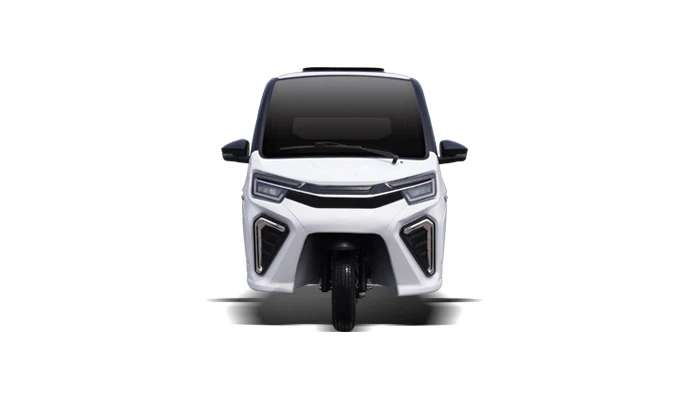
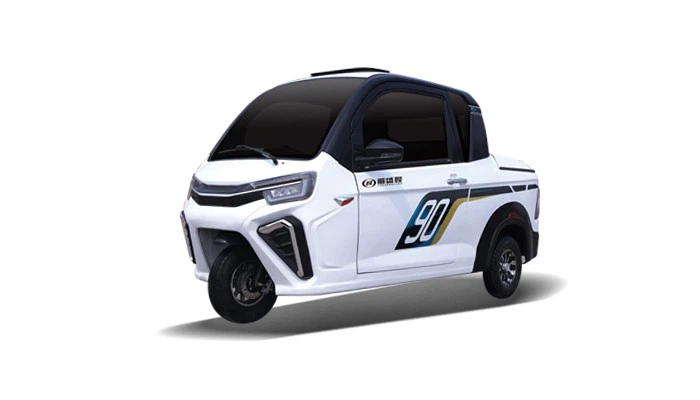
As a supplier, we offer a range of electric tricycles with cargo, including Heavy Duty Cargo Tricycle, Pickup Electric Tricycle, and Light Electric Cargo Tricycle. Each type of electric tricycle has its own unique features and maintenance requirements, which can affect the overall maintenance costs.
- Heavy Duty Cargo Tricycle: These tricycles are designed to carry heavy loads and are typically used in commercial applications. They often have larger motors, batteries, and frames, which can result in higher maintenance costs. However, the heavy-duty construction also means that they are more durable and can withstand more wear and tear.
- Pickup Electric Tricycle: Pickup electric tricycles are a popular choice for urban delivery and transportation. They offer a good balance between cargo capacity and maneuverability. The maintenance costs of pickup electric tricycles are generally lower than those of heavy-duty cargo tricycles, but they still require regular maintenance to ensure optimal performance.
- Light Electric Cargo Tricycle: Light electric cargo tricycles are ideal for small-scale delivery and personal use. They are typically more affordable and have lower maintenance costs compared to heavy-duty and pickup electric tricycles. However, they may have limited cargo capacity and range.
Conclusion
In conclusion, the maintenance costs of an electric tricycle with cargo can vary depending on several factors, including the type of vehicle, usage, and maintenance practices. By following the best practices outlined in this blog post and regularly maintaining your electric tricycle, you can reduce the maintenance costs and extend the lifespan of the vehicle.
If you're interested in purchasing an electric tricycle with cargo or have any questions about maintenance costs, please feel free to contact us. Our team of experts is here to help you find the right electric tricycle for your needs and provide you with all the information you need to make an informed decision.
References
- Electric Vehicle Association of America. (n.d.). Electric Vehicle Maintenance Guide.
- Battery University. (n.d.). Lithium-ion Battery Maintenance.
- National Highway Traffic Safety Administration. (n.d.). Tire Safety.