

What are the storage requirements for an electric freight four - wheeler?
As a provider of electric freight four-wheelers, I often encounter inquiries regarding the storage requirements for these vehicles. Understanding these requirements is crucial for maintaining the performance, longevity, and safety of the electric freight four-wheelers. In this blog, I will delve into the key aspects of storage requirements, including environmental conditions, battery storage, and security measures.
Environmental Conditions
Temperature
Temperature plays a significant role in the storage of electric freight four-wheelers. Extreme temperatures can have a detrimental impact on the vehicle's battery and other components. High temperatures can accelerate the chemical reactions inside the battery, leading to increased self-discharge and reduced battery life. On the other hand, low temperatures can decrease the battery's capacity and performance.
It is recommended to store electric freight four-wheelers in an environment where the temperature ranges between 20°C and 25°C (68°F and 77°F). If the storage area is not climate-controlled, it is important to avoid exposing the vehicle to direct sunlight or extreme cold. During hot summers, consider using a carport or garage to protect the vehicle from the sun's heat. In cold winters, you may need to use a battery warmer or insulation to maintain the battery's temperature.
Humidity
Humidity is another environmental factor that can affect the storage of electric freight four-wheelers. High humidity can cause corrosion and rust on the vehicle's metal parts, electrical components, and battery terminals. To prevent this, it is essential to store the vehicle in a dry environment with a relative humidity of less than 60%.
If the storage area is prone to high humidity, you can use a dehumidifier to reduce the moisture level. Additionally, make sure the vehicle is clean and dry before storing it. Wipe down any wet surfaces and remove any standing water from the vehicle.
Ventilation
Proper ventilation is crucial for storing electric freight four-wheelers. Storing the vehicle in a poorly ventilated area can lead to the accumulation of harmful gases, such as hydrogen, which is produced during the battery charging process. These gases can pose a safety hazard and may also damage the vehicle's components.
Ensure that the storage area has adequate ventilation to allow for the exchange of fresh air. If possible, open the windows or doors of the storage area regularly to promote air circulation. You can also use a ventilation fan to improve the airflow.
Battery Storage
Charge Level
The charge level of the battery is an important consideration when storing an electric freight four-wheeler. It is recommended to store the battery at a charge level between 40% and 60%. Storing the battery at a full charge or a completely discharged state for an extended period can reduce the battery's lifespan.
If you plan to store the vehicle for an extended period, it is advisable to charge the battery to 50% and then disconnect it from the charger. This will help prevent overcharging and maintain the battery's health. Before storing the battery, make sure to check the manufacturer's recommendations for the specific battery type.
Battery Maintenance
In addition to maintaining the proper charge level, regular battery maintenance is essential for storing electric freight four-wheelers. This includes checking the battery's electrolyte level (if applicable), cleaning the battery terminals, and inspecting the battery for any signs of damage or leakage.
If the battery has removable caps, check the electrolyte level regularly and add distilled water if necessary. Make sure to follow the manufacturer's instructions for adding water to the battery. Clean the battery terminals using a mixture of baking soda and water to remove any corrosion or dirt. Use a wire brush to gently scrub the terminals and then rinse them with clean water.
Inspect the battery for any signs of damage, such as cracks or bulges. If you notice any damage, do not attempt to repair the battery yourself. Instead, contact a professional battery technician for assistance.
Battery Disconnection
If you plan to store the electric freight four-wheeler for an extended period, it is recommended to disconnect the battery to prevent self-discharge. Disconnecting the battery will also help protect the vehicle's electrical system from any potential damage caused by a drained battery.
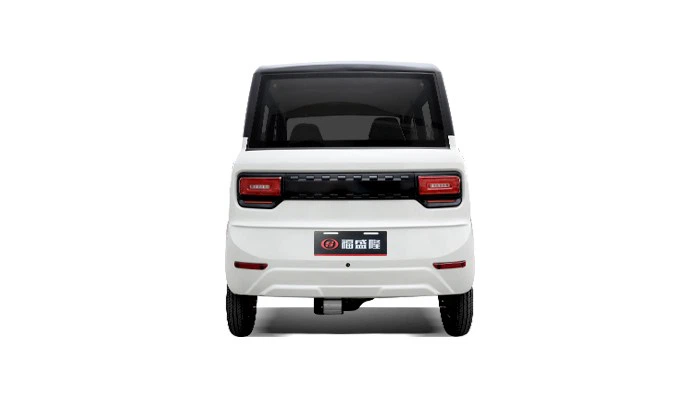

To disconnect the battery, first, turn off the vehicle's ignition and all electrical accessories. Then, use a wrench to loosen the negative (-) terminal nut and remove the negative cable from the battery. Next, loosen the positive (+) terminal nut and remove the positive cable from the battery. Make sure to label the cables to ensure proper reinstallation later.
Security Measures
Parking Location
Choosing the right parking location is an important security measure when storing an electric freight four-wheeler. Park the vehicle in a well-lit and secure area, such as a private garage or a monitored parking lot. Avoid parking the vehicle in isolated or high-crime areas.
If you do not have access to a private garage, consider using a car cover to protect the vehicle from theft and vandalism. A car cover can also help protect the vehicle from the elements.
Anti-Theft Devices
Installing anti-theft devices can provide an additional layer of security for your electric freight four-wheeler. There are several types of anti-theft devices available, including steering wheel locks, wheel locks, and alarm systems.
A steering wheel lock is a simple and effective way to prevent theft. It locks the steering wheel in place, making it difficult for thieves to drive the vehicle. A wheel lock is another option that can be used to immobilize the vehicle. It attaches to one of the wheels and prevents it from turning.
An alarm system is a more advanced anti-theft device that can detect unauthorized entry into the vehicle. When the alarm is triggered, it will emit a loud noise and may also send a notification to your phone.
Vehicle Tracking System
A vehicle tracking system can be a valuable tool for recovering your electric freight four-wheeler in case of theft. These systems use GPS technology to track the vehicle's location in real-time. You can monitor the vehicle's movements using a smartphone app or a computer.
If your vehicle is stolen, you can provide the police with the tracking information, which can help them locate and recover the vehicle quickly. Some vehicle tracking systems also offer additional features, such as geofencing, which allows you to set up virtual boundaries for the vehicle. If the vehicle crosses these boundaries, you will receive an alert.
Additional Considerations
Tire Maintenance
Proper tire maintenance is essential for storing electric freight four-wheelers. Storing the vehicle for an extended period can cause the tires to develop flat spots, which can affect the vehicle's handling and ride quality. To prevent this, it is recommended to inflate the tires to the recommended pressure before storing the vehicle.
Check the tire pressure regularly during the storage period and adjust it as needed. You may also want to rotate the tires every few months to prevent uneven wear. If the vehicle will be stored for a long time, consider using tire cradles or blocks to relieve the pressure on the tires.
Fluid Levels
Before storing your electric freight four-wheeler, it is important to check the fluid levels, including the coolant, brake fluid, and windshield washer fluid. Make sure the fluid levels are at the recommended levels and top them up if necessary.
If the vehicle will be stored for an extended period, you may need to change the fluids to prevent them from deteriorating. Refer to the vehicle's owner's manual for the recommended fluid change intervals.
Regular Inspections
Even if you follow all the storage requirements, it is still important to conduct regular inspections of your electric freight four-wheeler. Check the vehicle for any signs of damage, wear, or corrosion. Inspect the battery, tires, brakes, and other components to ensure they are in good condition.
If you notice any issues during the inspection, address them promptly to prevent further damage. You may also want to have the vehicle serviced by a professional mechanic before putting it back into use.
Conclusion
In conclusion, proper storage is essential for maintaining the performance, longevity, and safety of electric freight four-wheelers. By considering the environmental conditions, battery storage, security measures, and additional considerations outlined in this blog, you can ensure that your vehicle remains in good condition during storage.
If you are interested in purchasing an electric freight four-wheeler, we offer a wide range of models to suit your needs. Check out our Electric New Pickup Truck, Frame Electric Cargo Four-Wheeler, and Semi-Enclosed Electric Four-Wheeler for more information.
If you have any questions or would like to discuss your specific requirements, please feel free to contact us. We are here to help you find the perfect electric freight four-wheeler for your business.
References
- "Electric Vehicle Battery Storage Guidelines." U.S. Department of Energy.
- "How to Store Your Electric Car." Consumer Reports.
- "Tips for Storing Your Electric Vehicle." Electric Vehicle Association.