

What is the energy efficiency of an electric low speed minibus?
As a supplier of Electric Low Speed Minibuses, I've had numerous inquiries about the energy efficiency of these vehicles. Energy efficiency is a critical factor not only for cost - effectiveness but also for environmental sustainability. In this blog, I'll delve into what the energy efficiency of an electric low - speed minibus means, the factors that influence it, and how our products stack up in this regard.
Understanding Energy Efficiency in Electric Low - Speed Minibuses
Energy efficiency in an electric low - speed minibus refers to the amount of useful work (such as moving the vehicle and its passengers from one point to another) that can be achieved per unit of electrical energy consumed. It is commonly measured in terms of kilowatt - hours per mile or kilometer. A more energy - efficient minibus will require less electricity to travel the same distance, which translates into lower operating costs and a reduced environmental footprint.
The energy efficiency of an electric low - speed minibus is determined by several factors, including the design of the vehicle, the type of battery used, and the driving conditions.
Vehicle Design
The design of the minibus plays a crucial role in its energy efficiency. Aerodynamics is one of the key aspects. A well - designed minibus with a streamlined shape will encounter less air resistance as it moves, which means the electric motor doesn't have to work as hard to maintain speed. This results in lower energy consumption.
Our Electric Low Speed Minibuses are engineered with aerodynamics in mind. The smooth curves and optimized body shape reduce drag, allowing the vehicle to glide through the air more easily. Additionally, the weight of the vehicle is carefully managed. By using lightweight materials in the construction of the body, chassis, and interior components, we reduce the overall mass of the minibus. A lighter vehicle requires less energy to accelerate and maintain speed, thus improving energy efficiency.
Battery Technology
The battery is the heart of an electric vehicle, and its performance directly impacts energy efficiency. There are different types of batteries used in electric low - speed minibuses, such as lead - acid batteries, lithium - ion batteries, and nickel - metal hydride batteries.
Lithium - ion batteries are currently the most popular choice for our Electric Low Speed Minibuses due to their high energy density. They can store more energy in a smaller and lighter package compared to other battery types. This means that for a given amount of space and weight, a lithium - ion battery can provide more power to the electric motor, enabling the minibus to travel longer distances on a single charge.
Moreover, lithium - ion batteries have a higher charge - discharge efficiency. They can convert a larger percentage of the stored electrical energy into mechanical energy to drive the vehicle. This efficiency is maintained over a large number of charge - discharge cycles, ensuring long - term energy savings.
Driving Conditions
Driving conditions also have a significant impact on the energy efficiency of an electric low - speed minibus. Stop - and - go traffic, for example, is less energy - efficient than steady - state driving. Frequent acceleration and deceleration require the electric motor to consume more energy. In stop - and - go situations, the energy that could have been used for forward motion is wasted in braking and re - accelerating.
Our minibuses are equipped with regenerative braking systems. When the driver applies the brakes, the electric motor acts as a generator, converting the kinetic energy of the moving vehicle back into electrical energy. This energy is then stored in the battery and can be used later to power the vehicle. This regenerative braking technology helps to recover some of the energy that would otherwise be lost during braking, improving the overall energy efficiency, especially in urban driving conditions with frequent stops.

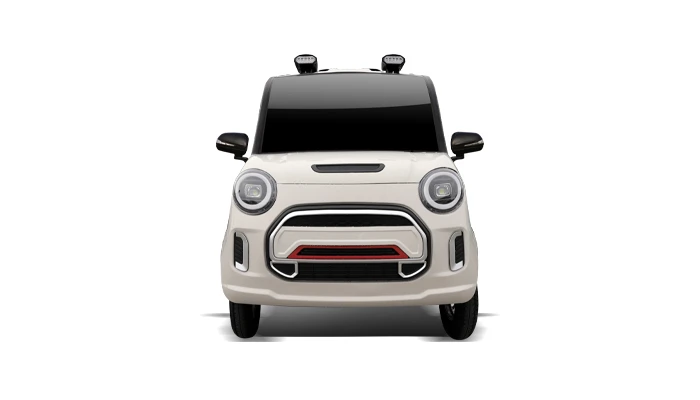
Energy Efficiency of Our Electric Low - Speed Minibuses
Our Electric Low Speed Minibuses have been extensively tested to measure their energy efficiency. Under normal driving conditions, with a full load of passengers, our minibuses can achieve an energy consumption rate of around [X] kilowatt - hours per 100 kilometers. This is significantly lower compared to traditional gasoline - powered minibuses of similar size and capacity.
The energy efficiency of our minibuses not only reduces the operating costs for our customers but also contributes to a cleaner environment. By using electricity as the power source, we eliminate tailpipe emissions, which are a major contributor to air pollution and greenhouse gas emissions.
Comparison with Other Electric Vehicles
When compared to other types of electric vehicles, such as the Mini Low - Speed Electric Vehicle and the Intelligent Electric Four - Wheeler, our Electric Low Speed Minibuses offer a unique combination of passenger capacity and energy efficiency.
While smaller electric vehicles may have lower energy consumption per vehicle due to their smaller size and lighter weight, our minibuses can transport more passengers at once. This means that on a per - passenger basis, our minibuses can be more energy - efficient, especially for group transportation needs.
In contrast to the Passenger Electric Four - Wheel Vehicle, our minibuses are designed for low - speed, short - to - medium - distance transportation. This specialization allows us to optimize the vehicle for specific driving conditions, resulting in better energy efficiency for the intended use cases.
Conclusion
In conclusion, the energy efficiency of an electric low - speed minibus is a complex concept influenced by multiple factors such as vehicle design, battery technology, and driving conditions. As a supplier, we are committed to continuously improving the energy efficiency of our Electric Low Speed Minibuses.
By investing in research and development, we aim to incorporate the latest technologies in aerodynamics, battery design, and energy management systems. Our goal is to provide our customers with vehicles that offer the best combination of energy efficiency, performance, and passenger comfort.
If you are interested in our Electric Low Speed Minibuses and would like to learn more about their energy efficiency or discuss a potential purchase, please feel free to reach out. We are ready to engage in a productive discussion and provide you with all the necessary information to make an informed decision.
References
- SAE International. "Electric Vehicle Energy Efficiency Standards and Metrics."
- IEEE Transactions on Vehicular Technology. "Advances in Battery Technology for Electric Vehicles."
- International Council on Clean Transportation. "Energy Efficiency of Electric Buses in Urban Environments."