

What is the fuel efficiency of a four - wheeled passenger car?
Fuel efficiency is a critical factor in the automotive industry, especially for four-wheeled passenger cars. As a supplier of four-wheeled passenger cars, I understand the importance of this aspect from both environmental and economic perspectives. In this blog, I will delve into the concept of fuel efficiency in four-wheeled passenger cars, exploring its determinants, measurement methods, and the significance it holds for consumers and the industry at large.
What is Fuel Efficiency?
Fuel efficiency refers to the measure of how effectively a vehicle uses fuel to travel a certain distance. It is typically expressed in terms of miles per gallon (MPG) in the United States or liters per 100 kilometers (L/100 km) in many other countries. A higher MPG or lower L/100 km value indicates better fuel efficiency, meaning the vehicle can travel more miles or kilometers on a given amount of fuel.
Determinants of Fuel Efficiency
Several factors influence the fuel efficiency of a four-wheeled passenger car. These include:
- Vehicle Design: Aerodynamics plays a crucial role in fuel efficiency. Cars with sleek, streamlined designs experience less air resistance, which reduces the amount of energy needed to move the vehicle forward. Additionally, the weight of the car is another important factor. Lighter vehicles generally require less energy to accelerate and maintain speed, resulting in better fuel efficiency.
- Engine Technology: The type and design of the engine significantly impact fuel efficiency. Modern engines are equipped with advanced technologies such as direct injection, turbocharging, and variable valve timing, which improve combustion efficiency and reduce fuel consumption. Hybrid and electric vehicles offer even greater fuel efficiency by combining an internal combustion engine with an electric motor or relying solely on electric power.
- Driving Habits: The way a driver operates the vehicle can have a substantial effect on fuel efficiency. Aggressive driving behaviors such as rapid acceleration, hard braking, and excessive speeding increase fuel consumption. Maintaining a steady speed, using cruise control on highways, and avoiding unnecessary idling can help improve fuel efficiency.
- Road Conditions: The type of road and traffic conditions also influence fuel efficiency. Driving on hilly terrain or in stop-and-go traffic requires more energy, resulting in lower fuel efficiency. On the other hand, driving on flat, open roads at a consistent speed can optimize fuel consumption.
Measurement of Fuel Efficiency
Fuel efficiency is typically measured through standardized testing procedures. In the United States, the Environmental Protection Agency (EPA) conducts tests to determine the fuel economy ratings of vehicles. These tests simulate a combination of city and highway driving conditions and provide estimates of the vehicle's MPG. In other countries, similar testing procedures are used to measure fuel efficiency in L/100 km.
It's important to note that the fuel efficiency ratings provided by the EPA or other testing agencies are estimates and may not reflect the actual fuel consumption of a vehicle in real-world driving conditions. Factors such as driving habits, road conditions, and vehicle maintenance can all affect the actual fuel efficiency achieved by a driver.

Significance of Fuel Efficiency
Fuel efficiency is of great significance for both consumers and the automotive industry. For consumers, fuel-efficient vehicles offer several benefits:
- Cost Savings: A more fuel-efficient car can save drivers a significant amount of money on fuel costs over the life of the vehicle. With rising fuel prices, this can be a major consideration for many consumers when purchasing a car.
- Environmental Impact: Fuel-efficient vehicles produce fewer greenhouse gas emissions, which helps reduce the carbon footprint and mitigate the effects of climate change. By choosing a fuel-efficient car, consumers can contribute to a cleaner and more sustainable environment.
- Long-Term Value: Fuel-efficient vehicles tend to have higher resale values because they are in greater demand in the used car market. This means that consumers can recoup more of their investment when it comes time to sell or trade in their vehicle.
For the automotive industry, fuel efficiency is a key driver of innovation and competitiveness. As governments around the world implement stricter fuel economy and emissions regulations, automakers are under increasing pressure to develop more fuel-efficient vehicles. This has led to the development of new technologies and the introduction of hybrid, electric, and other alternative fuel vehicles.
Our Offerings
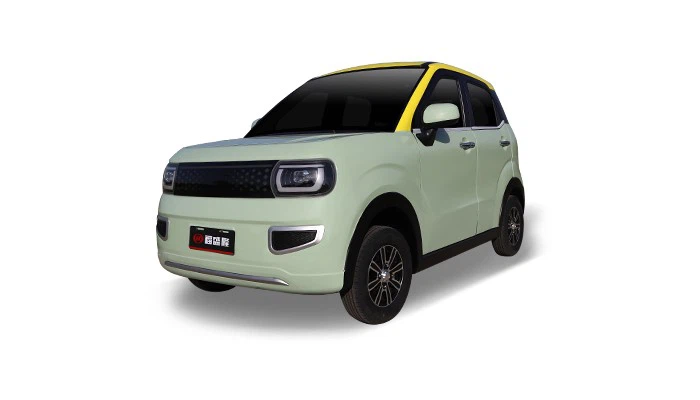
As a supplier of four-wheeled passenger cars, we are committed to providing our customers with vehicles that offer excellent fuel efficiency. Our product range includes a variety of options, from Low-Speed Four-Wheel Electric Vehicle to New Energy Low-Speed Vehicles and Mini Electric Four-Wheel Vehicle.
Our electric vehicles are powered by advanced battery technology, which offers high energy density and long-range capabilities. They produce zero tailpipe emissions, making them an environmentally friendly choice for urban commuting and short trips. In addition, our hybrid vehicles combine the benefits of an internal combustion engine with an electric motor, providing improved fuel efficiency and reduced emissions.
Contact Us for Procurement
If you are interested in learning more about our four-wheeled passenger cars and their fuel efficiency, or if you are looking to place an order, please feel free to contact us. We have a team of experienced sales representatives who can provide you with detailed information about our products and assist you with the procurement process.
References
- EPA Fuel Economy Guide. (n.d.). Retrieved from https://www.fueleconomy.gov/
- SAE International. (n.d.). Vehicle Fuel Efficiency. Retrieved from https://www.sae.org/topics/vehicle-fuel-efficiency/
- International Energy Agency. (2021). Global EV Outlook 2021. Retrieved from https://www.iea.org/reports/global-ev-outlook-2021